For Course & Catalog Owners
Your catalog is worth more in 4K
Course libraries, corporate training, and SD television catalogs remastered to 4K UHD — batch-processed, consistent from module to module and episode to episode, and delivered to the spec each platform asks for.
Free pilot episode · Consistent across a series · Delivered to platform spec
Original and 4K, side by side
Samples
Two kinds of library, two sets of problems
Teaching footage and broadcast programming fail in different ways, so they get treated differently. Drag each slider to compare a frame, then press play for the moving version.
Instructional Video
Training and course footage
The value of instructional video is in what the viewer can actually read: slides, whiteboards, hand positions, on-screen labels. Recovering that legibility is the whole job here.
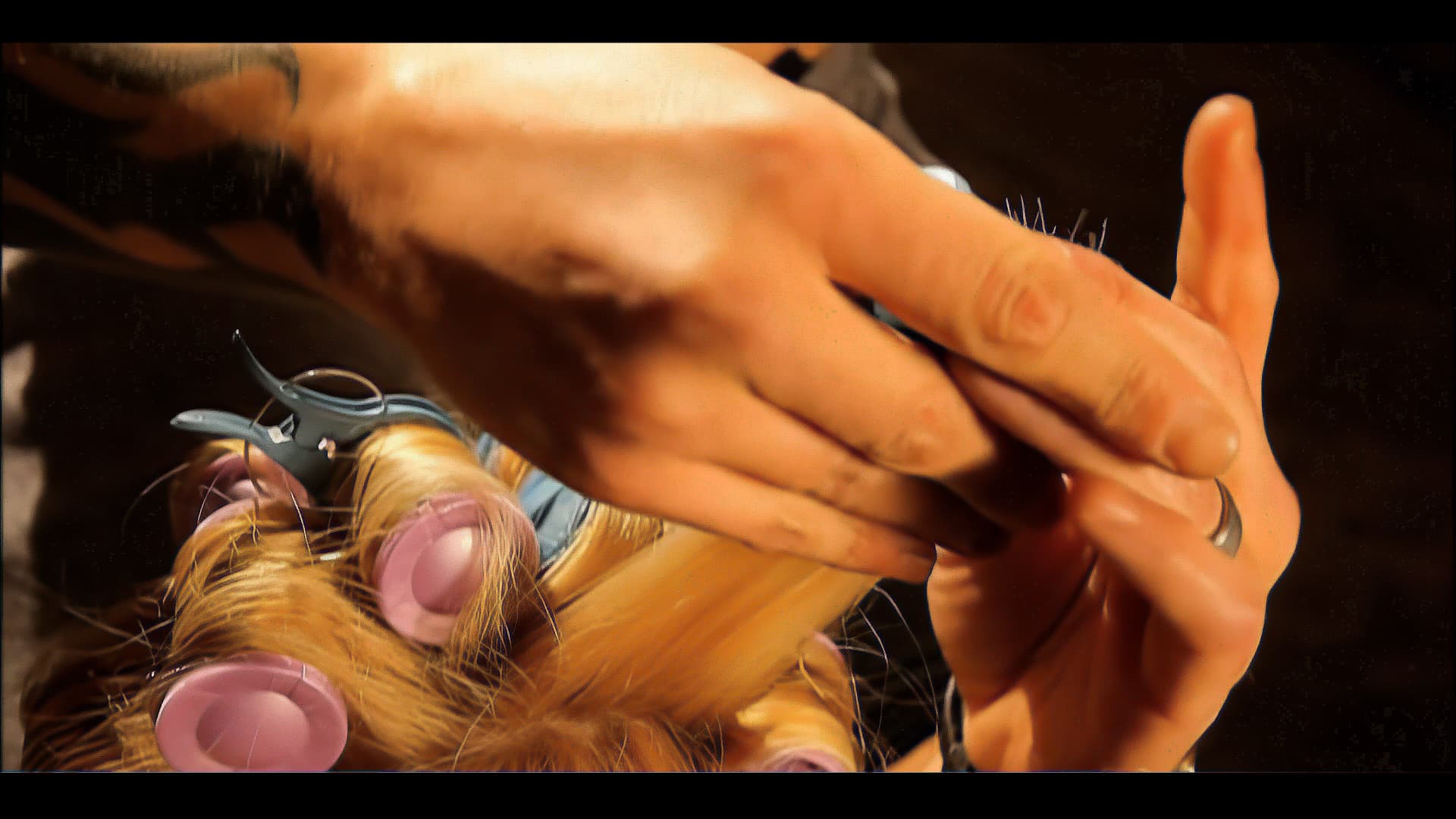
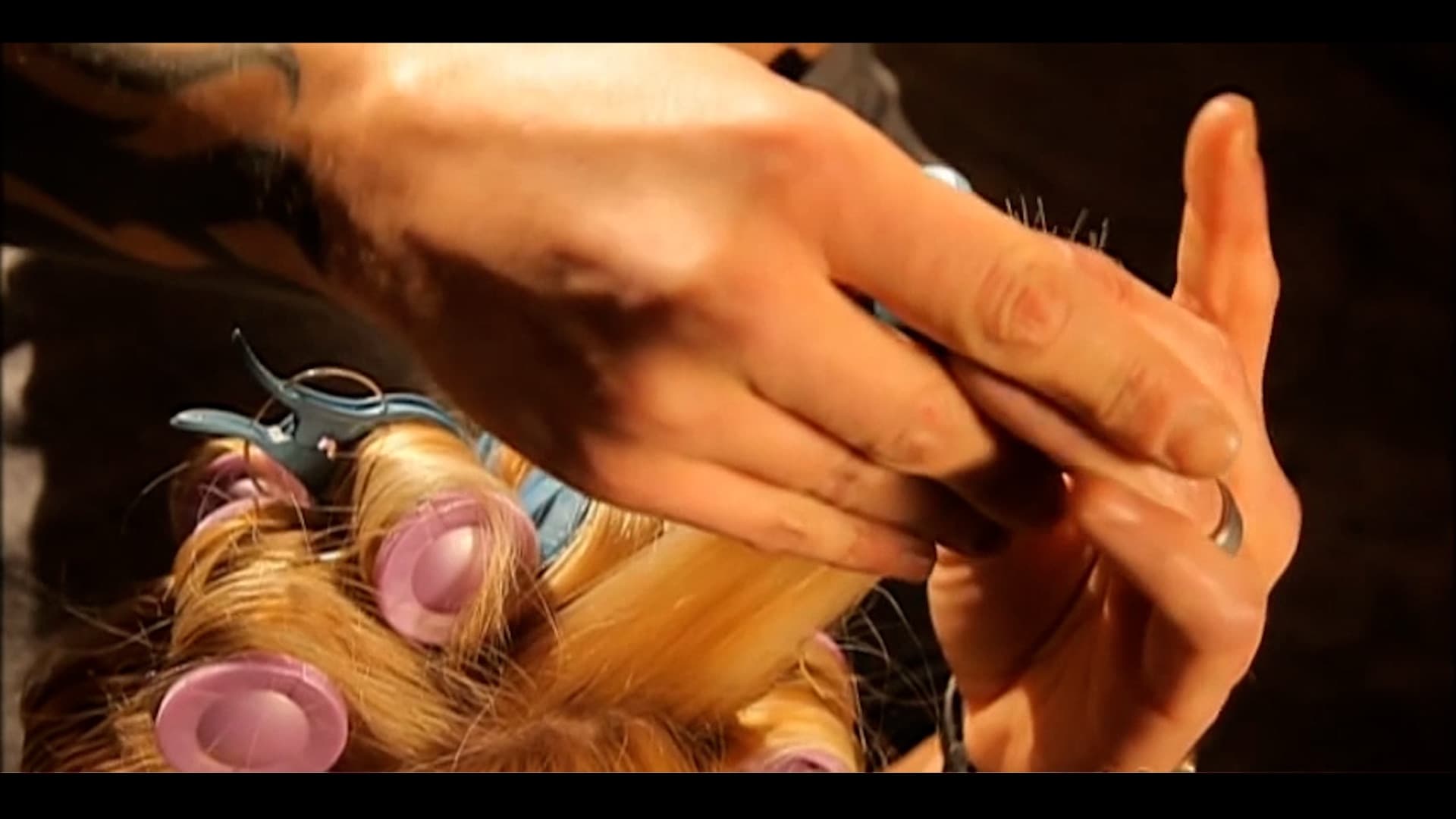
Drag to compare
- Noise reduction
- Sharpening
Old TV Show
Series and broadcast masters
Broadcast material arrives interlaced, with title sequences and graphics that betray the era faster than the content does. Field-aware deinterlacing and clean titles do most of the work.
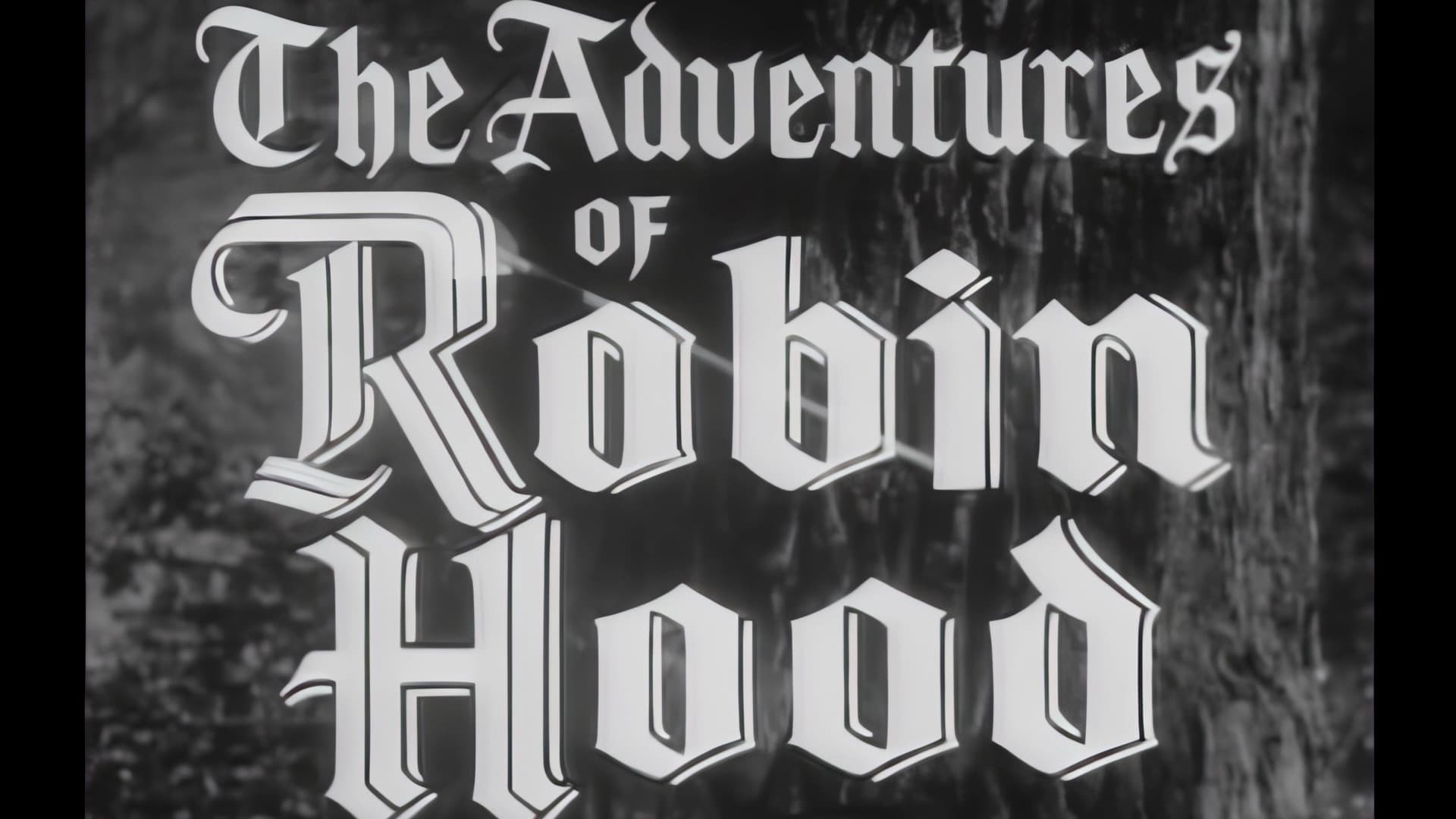
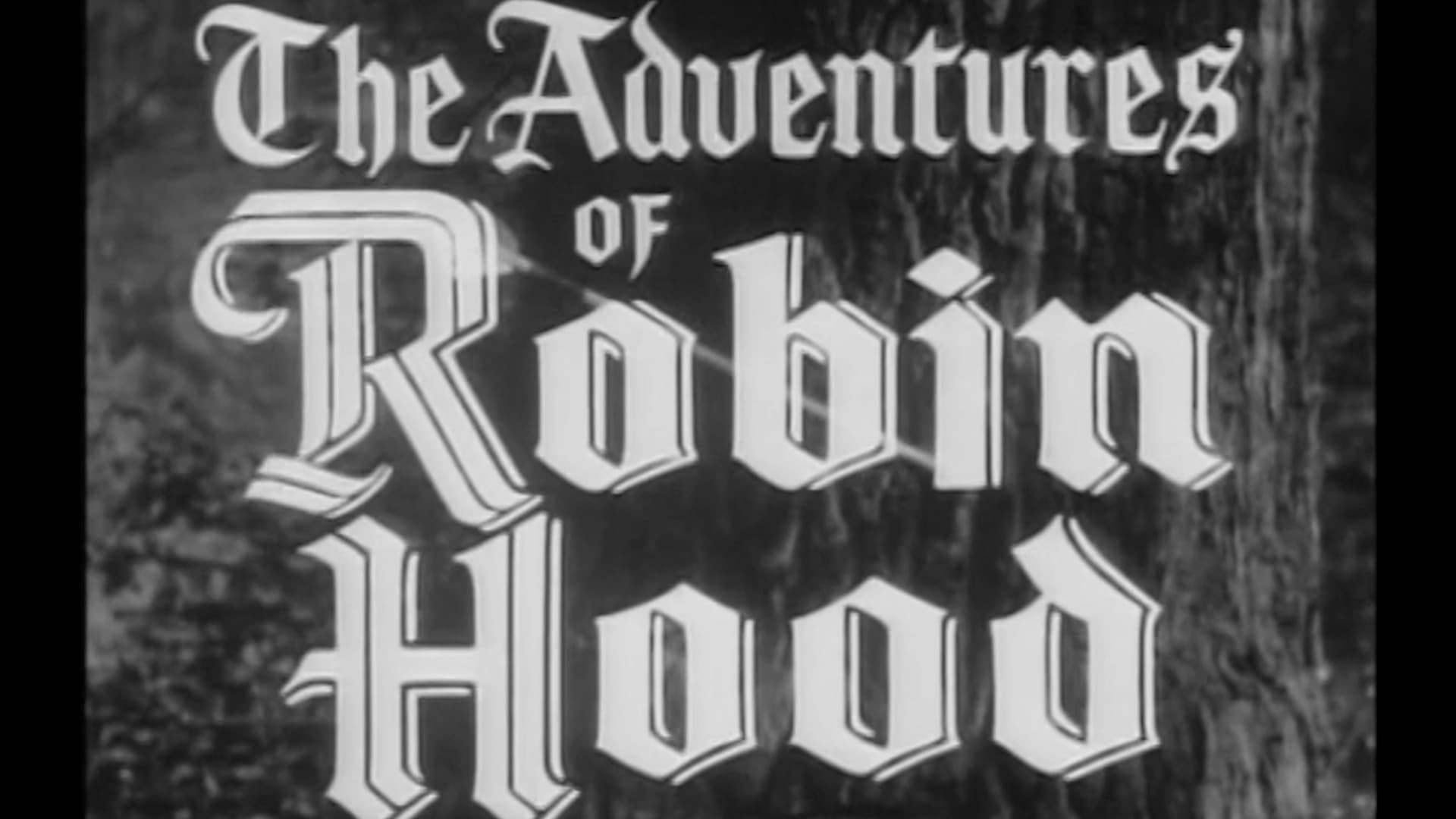
Drag to compare
- Stabilization
- Contrast correction
- Sharpening
- Noise reduction
- Sharpening
What dates a library
Why older catalogs stop selling
The content is usually still good. It's the presentation that puts buyers off — and every item below is fixable.
SD in a 4K storefront
Your programming sits next to natively 4K competitors on the same shelf. Buyers judge production value in the first three seconds, before the content has a chance to matter.
Interlaced masters
Combing artifacts on motion get mangled by platform encoders — or get the file rejected outright at ingest. Proper deinterlacing is table stakes for modern distribution.
Unreadable on-screen text
Slides, lower thirds, whiteboards, and diagrams turn to mush at low resolution. For instructional content that's not cosmetic — it's the actual teaching material.
Episodes that don't match
A series or a course shot across several years drifts in color, exposure, and sharpness. Watching straight through makes every inconsistency obvious.
Baked-in compression
Old web exports carry blocking and mosquito noise permanently in the picture. Re-encoding alone doesn't remove it; enhancement does.
An undocumented shelf
Mixed formats, unlabeled masters, and nobody left who remembers the workflow. Cataloging the material is part of the job.
The business case
Why remastering beats reshooting
The economics here are unusually favorable, which is why this work tends to pay for itself.
New distribution windows
FAST channels, AVOD services, streamers, and course marketplaces publish technical minimums. Catalogs that don't meet them get rejected, down-ranked, or never considered at all.
A fraction of production cost
No talent, no locations, no crew, no scripting, no reshoots. You already own the content — this is the cheapest possible way to put a current-generation version of it on the market.
Relicensing and re-release
A remastered catalog can be relicensed, repackaged, and re-released into markets where the original masters simply weren't eligible.
The content stays valid
A course on fundamentals doesn't expire — it just looks like it did. Fixing the presentation restores the price you can ask for material that's still entirely correct.
Built for
- Online course and membership libraries
- Corporate training and compliance catalogs
- TV series and episodic back-catalogs
- FAST channel and AVOD programming
- Educational and institutional libraries
- YouTube archives being re-released
Delivered as
- 4K UHD masters in your choice of codec
- Per-platform deliverables for YouTube, streaming, and FAST
- A single consistent look across an entire series or course
- Audio levelled to a consistent loudness target
- Existing caption and subtitle timing preserved
- Consistent file naming and a delivery manifest
Free Sample Offer
Try before you buy
Send us up to 30 seconds of your video and we'll create a free 4K sample, so you can see exactly what your footage is capable of before starting the full project. If you can't send a clip — the tape is all you have, or nothing plays it any more — send us the tape instead.
No cost · No obligation
- 1
Send Us Your Video
Upload up to 30 seconds through any link you like — Dropbox, Google Drive, WeTransfer, or Frame.io. No digital file? Post us the tape and we'll take it from there.
- 2
We Test and Enhance a Sample
We run your footage through the treatments it actually needs and dial in the look.
- 3
You Approve the Look
Review the 4K sample side by side with your original. Adjustments are free at this stage.
- 4
We Convert the Full Video
Once you're happy, the approved settings are applied across the entire project.
- 5
You Receive Final Files
Delivered in the format you need — for YouTube, streaming, archive, or your own screen.
Questions
The things people ask first
How do you keep sixty episodes looking the same?
We start with one representative episode and lock the look with you. Those approved settings become the house standard for the whole library, and we QC across episode boundaries rather than judging each file on its own. Consistency across the run is the point of working in batch.
Our series was shot across several years on different cameras.
That's the common case. Shot matching — bringing episodes with different color, exposure, and sharpness characteristics into line with each other — is part of the Premium tier and is usually what makes a catalog feel like one coherent product.
Will the slides and on-screen text actually become readable?
That's the single biggest win on instructional material. Text and graphics are high-contrast, hard-edged, and exactly what enhancement handles best — far better than it handles, say, foliage or crowds. Send us your worst slide-heavy minute and you'll see the difference immediately.
Do you handle interlaced broadcast masters?
Yes, and properly — field-aware deinterlacing rather than the line-doubling shortcut that softens every frame. It is the single biggest visual giveaway of older programming.
What happens to our captions and audio sync?
Timing is preserved. We don't change frame rates or durations unless you specifically ask for a standards conversion, so existing caption files and subtitle tracks continue to line up.
How do you price a whole library?
Per project, based on total runtime, source condition, and delivery requirements. Volume matters — a hundred episodes of consistent material is a different proposition from ten mixed one-offs, and the quote reflects that.
Start with one episode
Send thirty seconds of the material you're least happy with. We'll remaster it to 4K at no cost, and you'll know within a day whether your catalog is worth taking further.
Contact
Start with a free 4K sample
Tell us a little about your footage. The more detail you give, the more useful our first reply will be.
Prefer email? ayal@revive4k.com
Typical reply: within one business day